Soundproof Window Setup: Peace and Quiet in the house
Street web traffic has a means of sneaking right into a room also when the home windows are technically closed. Tires hum on wet sidewalk, a neighbor's bass line lugs at weird hours, and a passing siren can transform a baby's nap into a full reset. Real alleviation originates from resolving the weakest link in a lot of structure envelopes: the windows. Soundproof window setup, done attentively, changes not just the decibel level, yet the means an area really feels. Discussions become much easier, sleep much deeper, and function more focused. Achieving that result takes greater than heavy glass and sales copy. It calls for comprehending exactly how sound behaves, where home windows leakage sound, and how installment information matter as high as the glass itself.
What "Soundproof" Actually Means
No home window can make a home silent. What we aim for is significant depletion, frequently a decrease of 10 to 20 decibels throughout the most bothersome regularities. To put that in context, a 10 dB decrease is regarded about as halving the loudness. The metric used in domestic advertising is usually STC, or Noise Transmission Class. STC is a sliding glass doors Austin single-number score stemmed from laboratory tests that focus on mid to high frequencies, like voices and basic website traffic. If you live near a freeway, airport, or rail line, low-frequency sound plays a huge role and STC alone can be misleading. OITC, the Outdoor-Indoor Transmission Course, is a much better indication for low-frequency efficiency. It's common to see home windows with STC in the high 20s for basic double-pane systems, mid to high 30s for updated laminated glass arrangements, and low 40s for real acoustic settings up. OITC worths tend to run concerning 5 to 10 factors less than STC for the same unit.
One blunder I see is comparing a single pane to a specialized acoustic window and presuming the very same lift will occur in an older double-pane home. A lot of standard double-pane home windows with air-filled spaces and equal glass density come under a "coincidence" dip where sound transmits efficiently at specific frequencies. That dip is one reason laminated glass and combined density panes exceed normal glass even when the total density is similar.
How Windows Leak Noise
Airborne noise finds courses with the weakest components of a window assembly. Three areas dominate:
- The glass itself, which can either damp or pass vibrations depending on material and thickness.
- The framework and sash, which present structural paths and determine exactly how firmly the home window seals when closed.
- The setup border, where spaces in between the window and rough opening can turn into little flutes otherwise sealed correctly.
Glass issues, however seals and spacing are equally as essential. A high-STC home window that's badly shimmed and sealed can do worse than a mid-range choice that is set up with treatment. I when revisited a townhouse where a premium laminated window "not did anything," according to the owner. A quick smoke-pencil examination traced leakages ahead jamb where the foam had actually shrunk back. After changing the foam and including a backer rod with acoustical sealer at the indoor border, the space window replacement Austin TX dropped from 54 dBA to 45 dBA throughout afternoon web traffic. The window hadn't been the trouble, the installation was.
Choosing a Method: Change or Include a Secondary Window
There are two primary paths to silent an area. You can pursue full window replacement with higher-performance devices, or you can add an additional interior window, usually called a soundproof insert, which produces a much deeper air dental caries and uses independent structures. Each path has pros and cons.
Full window substitute enhances energy performance, freshens stopping working structures, and can tidy up poor operation or water leak. If your existing home windows are drafty, deformed, or decomposed, substitute addresses several problems simultaneously. Modern acoustic options include laminated glass, asymmetric glazing (various density panes), larger air spaces, and robust weatherstripping. The catch is architectural combining. The new window still sits in the same plane and framework location, so while you get, you may not strike the dramatic drops you see in advertising headings unless the structures, seals, and perimeters are treated as a system. Substitute likewise involves exterior trim work, blinking, and sometimes wall fixing, which adds complexity.
Secondary indoor home windows connect on the area side, leaving the existing window intact. You're basically building a double-window system with a deep airspace between 2 decoupled frameworks. This method often surpasses a single substitute device for sound due to the fact that the decoupled dental caries is larger, and the 2nd window can be created with laminated glass and limited seals. Home owners who live near train lines or active arterials regularly see OITC gains of 7 to 12 points with high-quality interior secondaries. The tradeoff is looks and logistics. You now have 2 sets of sashes to operate and clean. In historical homes, this path shines since you keep the outside appearance while cutting noise without upsetting historic districts.
There's a 3rd course made use of in some projects: mix work. Change the major home window with a much better system, then include a secondary indoor panel in the noisiest spaces. That layered approach generally gives the best results per buck where sound truly impacts life, such as bedrooms or home offices.
Glass Options That Matter
If you focus on one spec, make it laminated glass. Laminated glass includes 2 layers of glass bound with a PVB or comparable interlayer. That interlayer dampens audio vibrations, particularly in the speech and web traffic regularity bands. In the field, relocating from basic tempered to a laminated lite of comparable thickness can add 3 to 6 STC points, often much more when paired with good air sealing.
Asymmetric glazing assists as well. Making use of a 3 mm pane on one side and a 5 or 6 mm pane on the various other shifts the resonance and minimizes that coincidence dip. Huge air voids, on the order of 20 to 25 mm, outmatch little spaces. Numerous common double-pane IGUs utilize a 12 to 16 mm spacer, which assists energy efficiency, but pushing spacing right into the 20 to 25 mm variety enhances acoustic damping. Not every structure system permits that depth, so this is where item selection counts.
Gas loads like argon or krypton enhance thermal efficiency yet do bit for sound compared to geometry and lamination. Triple glazing aids for some regularities, yet if all three panes have similar thickness, you can still run into vibration problems. The most effective acoustic triples usually pair lamination with blended density and durable spacing.

Frames, Seals, and Hardware
Frames form both thermal and acoustic performance. Larger frameworks have a tendency to transmit less resonance. Wood and composite frames succeed in this regard, plastic performs adequately with bonded corners, and light weight aluminum needs thermal breaks and gasketing to compete. The selection is rarely regarding the material alone. The style of the sash and the variety of securing points issues a lot more. Casement home windows that close against a gasket usually seal extra tightly than a moving unit with brush seals. Hung windows with compression gaskets outshine those with old-style parting grains and careless locks.
Look for multi-point locks that draw the sash limited. Choose bulbs or compression gaskets as opposed to fuzzy weatherstrips where feasible. Ask the manufacturer for acoustic test records for the details glass and structure combination, not simply generic catalog values.
The Duty of Setup Quality
Everything great regarding a window can be undone by a hurried set up. Noise takes the course of the very least resistance, which is normally a gap. Specialists who focus on acoustic end results treat the harsh opening like a small wall setting up, not just an area to wedge a frame.
Three functional points lead the work. Initially, border sealing technique: strategy both an interior air seal and an outside weather condition seal, separated by a backer material that permits the sealer to bend. Acoustical sealer on the interior bead remains adaptable and keeps get in touch with over time. On the exterior, a premium elastomeric or silicone gives weather protection. Second, make use of correctly sized backer pole to create a double-sided bond that can move without tearing. Overfilling with foam is an usual error. Foam assists, but it can diminish, split, or increase erratically. Third, decouple where possible. If you can avoid hard shims bridging structure to studs, do it. Usage non-hardening pads or gasket products at shims, after that lock the structure with structural screws with predrilled holes, but keep those holes minimal.
During a retrofit in a 1950s brick ranch, we decreased indoor roadway noise by 8 to 10 dBA determined at ear elevation after dark. The new home windows were laminated casements with 24 mm IGUs, however the big gains came from mindful boundary job. The old windows had actually daylight voids concealed by interior trim. A grain of acoustical sealer behind the casing gotten rid of that lateral path. The property owner observed the adjustment the first night, not because the house was silent, yet because the fridge became the loudest history sound.
When a Full Window Substitute Makes Sense
Window replacement is the appropriate action if the existing devices are stopping working, if there are water seepage or rot concerns, or if you additionally want far better power performance and operability. It is additionally obligatory when the glass or frameworks are as well weak to lug heavier laminated systems. In cold environments, a brand-new structure system with thermal breaks and air-tight operation commonly boosts comfort as long as the sound reduction.
As you assess alternatives, focus on scores, but read them critically. A window with STC 38 can still disappoint if the community noise is controlled by low-frequency grumbles. Request for OITC. If your installer shrugs, that's an indicator to keep shopping. Likewise ask about glass make-up, interlayer kind, spacer dimension, and the number of securing points. If you hear "it's done in the glass," you are getting half the story.
When Additional Interior Windows Outperform
Secondary windows succeed when you require huge results quickly without touching the exterior facade. Downtown apartment or condos on hectic streets, homes near trip paths, and historical residential properties are prime prospects. The interior system installs to the existing jamb or wall surface area, producing a deep air space that can be tuned for sound control. If you match a 3/8 inch laminated interior panel with the existing dual pane, and set a 3 to 5 inch air area, the reduction can be striking. In a fourth-floor condo above a bus stop, I determined ambient tops at 68 dBA with the old windows. With the secondaries in place, peaks went down to 56 dBA, and the late-night hum relaxed 42 to 45. The owner still heard sirens, just not at a volume that damaged concentration.
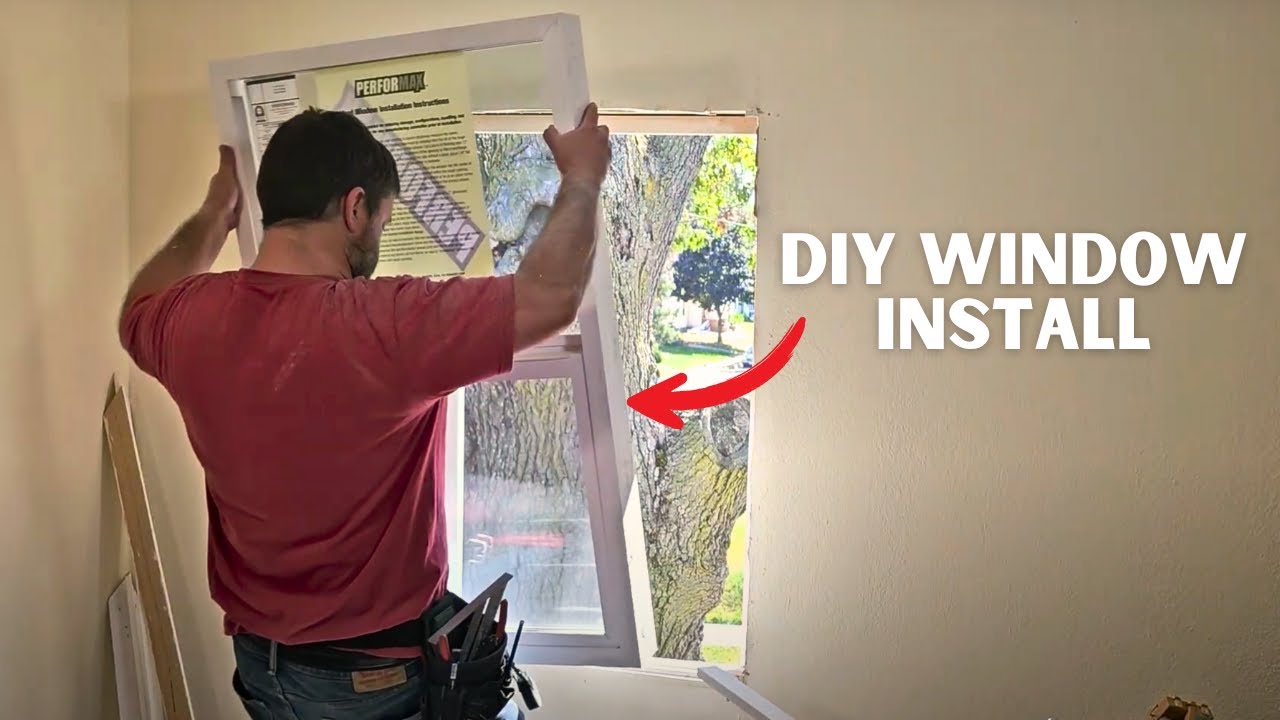
Two cautions develop. Condensation risk raises if humid interior air gets caught against a cool key window. Consist of a little vent or manage moisture to stop moisture accumulation. And plan for egress. If the home window is a bedroom egress path, the indoor second need to be operable and very easy to open.
Addressing Flanking Courses Beyond the Glass
Noise rarely takes a trip only with the window. If the wall surface is lightweight, the flooring is hollow, or the vents are imitating heralds, you will be going after decreasing returns by focusing just on glazing. I have actually walked right into apartments where a customer set up premium acoustic windows but still listened to bench downstairs since the audio came through a common structural light beam and up the plumbing chase. Prior to spending heavily on glass, stand in the room and listen. Press your ear near outlets, walls, and the ceiling line. If noise is breaching via the wall surface or floor, budget for added therapies, such as including mass-loaded plastic behind new drywall, decoupling an area of wall surface with durable channels, or sealing air duct boots with gaskets and mastic. The very best home window installation will not repair a dripping wall.
Step-by-Step: What a High-Quality Acoustic Install Looks Like
- Initial analysis: measure ambient noise at different times of day, identify dominant regularities, evaluate existing frameworks and wall surface assemblies, and check for flanking paths.
- Product option: select laminated or uneven glazing, confirm OITC and STC for the specific develop, and confirm structure seals and hardware. For secondaries, set target air space based upon area and framing.
- Preparation: get rid of interior trim meticulously, expose the rough opening, and vacuum cleaner particles. Confirm opening dimension and squareness, and strategy shim areas to limit difficult bridges.
- Setting and securing: set the system plumb and true with marginal rigid call points, install architectural fasteners, after that secure the exterior border for weather and the interior with acoustical sealant and backer rod.
- Commissioning: execute a smoke or scent test around the sash and boundary, change hardware for compression, reinstall trim with a continuous air obstacle grain behind it, and validate operation.
That checklist fits on a clipboard, however the distinction is in implementation. The best installers move slower on the first home window, after that match that basic across the rest.
Cost Varies and Actual Expectations
Budgets vary widely by region, window dimension, and whether the job is a retrofit or full-frame replacement. As general advice, expect a premium of 15 to 40 percent over basic energy-focused windows when you define laminated glass and acoustic seals. In several markets, that appears like 800 to 1,500 bucks per opening mounted for top quality substitute units, and 1,200 to 2,500 dollars for bigger or specialized assemblies. Interior secondary home windows usually run 500 to 1,200 bucks per opening depending upon glass density, frame kind, and whether they are operable. Projects near airport terminals or rail may justify greater spend since the perceived advantage is prompt and daily.
In terms of results, typical homes see a 30 to 50 percent decrease in perceived volume in dealt with rooms when moving from leaking single panes to laminated, well secured systems. Versus modern double-pane but badly sealed devices, the gain can still be substantial, often 6 to 10 dBA with the right second home window or 4 to 8 dBA with a solid replacement, given lateral paths are resolved. Numbers apart, the much more telling examination is whether you can hold a telephone call without duplicating on your own or rest through a trash pick-up at dawn. Clients typically notice adjustments in how far they keep the TV quantity, just how youngsters sleep, and how a day really feels without a consistent reduced grumble in the background.
Edge Instances and Special Considerations
Corner devices over floorings deal with wind-driven stress that exaggerates tiny leakages. In those situations, casements with multi-point locks and robust compression gaskets outshine sliders. For spaces facing low-frequency resources like diesel motor, focus on OITC and take into consideration dual systems with deep air dental caries. For artists or podcasters constructing a room-within-a-room, remember that also a costs home window is only one component. Control for mirrors and tremble inside with soft treatments or panel absorbers, or you'll blunder inner reflections for outdoors noise.
Historic homes bring 2 restraints: outside look and sash depth. Slim interior secondaries can be fabricated to match the muntin pattern so the space maintains its character. If your initial sash rattles, don't ignore the easy steps: re-roping, adding concealed weatherstripping, and establishing the polishing putty limited. These moderate repair work decrease high-frequency leakages even prior to adding new glass.
Allergy and ventilation concerns emerge when people tighten up their homes for noise. A peaceful room that is stuffy will certainly not feel like a success. Prepare for ventilation. A well-sealed envelope sets wonderfully with a peaceful, well balanced ventilation technique, whether that's a little ERV offering the bed room wing or flow vents made for acoustics. There are purpose-built acoustic trickle vents, yet they must be chosen meticulously considering that any type of opening is a possible weakness.
Coordinating with Window Installation or Replacement Workflows
If you are currently planning home window substitute for energy or cosmetic factors, cook acoustic performance right into the specification as opposed to treating it as an add-on. Request for laminated glass on at the very least the outside pane, mixed thickness where possible, and upgraded weatherstripping. For vital areas, think about stepping up to an acoustic plan and be honest regarding priorities. A representative that listens to "I want it quieter than R-10 power savings" will tune the quote differently. On the other hand, if noise is your top trigger and the existing windows are or else audio, an indoor secondary saves cash and disruption. Pros will measure and fabricate to the fraction, mount in a day, and leave the outside untouched.
When you get quotes, ask not nearly items yet installation information. Will they utilize acoustical sealer at the interior grain? What backer rod dimension do they carry? Exactly how do they deal with shims? If an installer speak about foam as the cure-all, press for brand name and thickness, and ask exactly how they take care of corners and sash weeps. Good installers have a viewpoint on these details, and they will enjoy to discuss it.
Maintenance and Longevity
Look after seals and relocating components. Compression gaskets establish memory with time; maintain sashes latched when not in use to keep form. Tidy laminated glass with non-ammonia cleaners to avoid haze at the edges of the interlayer. Check caulk lines yearly, specifically on sun-baked altitudes where activity is biggest. If you used an indoor acoustic sealer, withstand the urge to repaint over it unless the item is rated paintable, and also then check a surprise section first.
One functional suggestion: maintain a simple log of sound assumptions after set up. Note times, resources, and whether windows are locked. If a space seems louder months later, you'll have a standard to contrast. Most "it worsened" calls trace back to a lock that no more pulls fully limited, a settlement fracture ahead, or a kid's security quit left partly engaged.
A Peaceful Space, By Design
When soundproof home window setup goes right, the outcome is greater than a lab metric. It is the sensation of shutting a sash and hearing the city dim by a rewarding margin, of reading while a tornado passes, of a dog that doesn't startle at every horn. Achieving that result is not regarding a single wonder product. It is about piling wise choices: laminated and asymmetric glass, deeper air gaps, limited seals, correct frames, and regimented boundary work. In some homes, that implies a full home window replacement to repair what age and climate have worn out. In others, it means including a discreet additional home window that transforms a loud exterior right into a bearable backdrop.
If you make your choices with the source of sound, the physics of transmission, and the facts of installment in mind, you will get the peace and quiet you're spending for. And when the room muffles, you will ask yourself why you waited as long to make the change.
Corrections
Spot something wrong? Send it to the desk and it gets fixed in the open.